
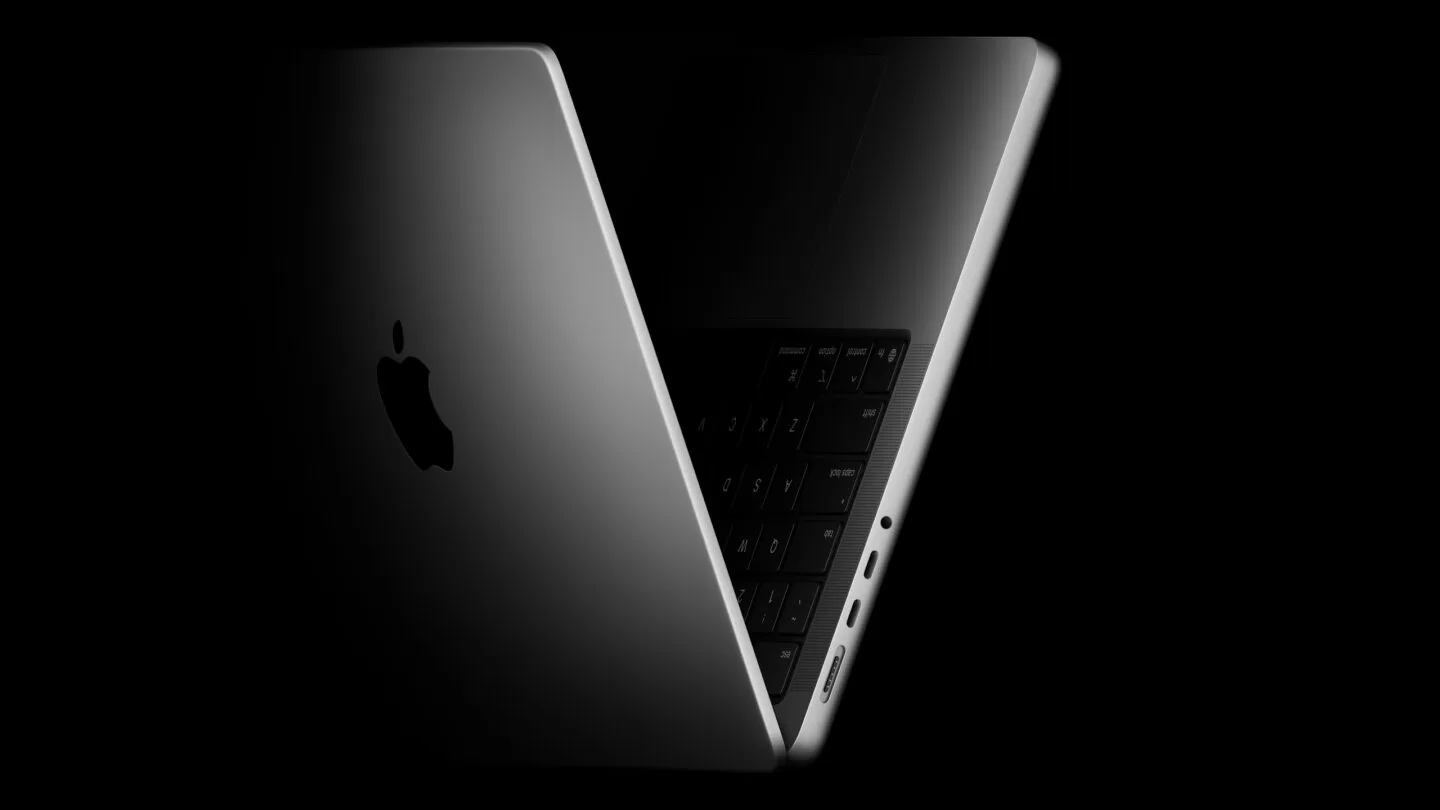
M5 MacBook Pro — Why Editors & Filmmakers Should Care (2025)
Apple’s latest 14‑inch MacBook Pro swaps in the M5 chip and brings tangible gains for creative workflows without changing the proven chassis: a next‑gen GPU with Neural Accelerators in every core, faster multithreaded CPU performance, higher unified memory bandwidth, and quicker SSDs (now configurable to 4TB). For editors and filmmakers, those changes matter in the timeline.
Overview & Key Features
- M5 architecture: next‑gen 10‑core GPU with a Neural Accelerator in each core; faster CPU cores; enhanced 16‑core Neural Engine; higher unified memory bandwidth (>150 GB/s).
- Storage: faster SSD performance vs. prior gen and configurations now up to 4TB.
- Display: Liquid Retina XDR with optional nano‑texture glass; pro reference modes for HDR mastering.
- Battery: up to 24 hours of battery life in Apple’s tests.
- I/O: three Thunderbolt 4 (USB‑C), HDMI, SDXC, MagSafe 3, 3.5mm headphone jack.
- Price & availability: starting at $1,599, pre‑orders live; availability begins October 22, 2025.
Sources: Apple Newsroom and press hands‑ons for the launch week.
Specs at a Glance
- CPU: up to 10‑core (performance + efficiency)
- GPU: 10‑core, next‑gen architecture with per‑core Neural Accelerators
- Neural Engine: 16‑core
- Unified Memory: up to 32 GB (base M5 model)
- Unified Memory Bandwidth: ~153 GB/s
- Storage: 512 GB – 4 TB NVMe SSD
- Display: 14.2″ Liquid Retina XDR; nano‑texture option
- Ports: 3× TB4/USB‑C, HDMI, SDXC, MagSafe 3, 3.5mm
- Wireless: Wi‑Fi 6E, Bluetooth
- Battery: up to 24 hrs (video playback)
- OS: macOS Tahoe; Apple Intelligence features on‑device
Real‑World Impressions (Film & Post)
Editing & Playback: The M5’s stronger GPU and media engines reduce dropped frames when scrubbing 4K/6K timelines with heavy grades (NR, glow, blur) and layered FX. ProRes and HEVC hardware blocks keep CPU headroom free for UI responsiveness.
Renders & Exports: Exports in ProRes and H.265 push through faster; the updated SSD helps with cache and conform operations. If you export while continuing to edit, multithreaded gains help the UI stay fluid.
AI‑assisted tools: De‑noise, upscale, roto, and generative fills (Topaz Video, Resolve Studio’s AI tools, After Effects plugins) benefit from the per‑core GPU Neural Accelerators and faster Neural Engine.
DIT & On‑Set: XDR brightness and reference modes are handy for HDR checks; the SDXC slot, TB4 for fast NVMe RAID, and long battery life make it an effective travel box for offloads, checksums, and quick looks.
Benchmarks & Launch Data (Context)
- Apple cites up to 1.6× faster graphics vs. M4 and up to 20% faster multithreaded CPU performance.
- AI workloads: up to 3.5× faster vs. M4; Topaz Video enhancement up to 1.8× faster vs. 14″ M4 (and 7.7× vs. 13″ M1).
- Storage: up to 2× SSD performance vs. prior gen (and now up to 4 TB configs).
- Memory bandwidth climbs to ~153 GB/s (from ~120 GB/s on the previous base model).
What People Are Saying
- “Not a huge design change, but a welcome bump — more bandwidth, faster SSD, better AI/GPU — the base 14″ is a smarter buy now.” — coverage roundup launch week
- “If you’re on M1 or Intel, it’s a big leap; M4 owners will see modest but real gains.”
Read more: 9to5Mac comparison • The Verge preorder details • MacRumors announcement • Apple M5 overview.
Price & Where to Get It
Starting at $1,599 for 16 GB / 512 GB in the U.S. (Space Black or Silver). Pre‑orders are open; availability begins October 22, 2025.
Reasons to Buy
- You’re upgrading from Intel or M1 — the jump is huge for post.
- You value long battery life for travel/field edits and dailies review.
- You rely on AI‑assisted tools (denoise/upscale/roto) in your pipeline.
- You want Thunderbolt RAID + SDXC + HDMI without dongle life.
- You prefer Apple’s XDR display for HDR grading checks.
Join the Conversation
Are you seeing real‑world speedups in Resolve, Premiere, or After Effects on M5? Share your timelines, codecs, and node stacks in the comments so we can benchmark like‑for‑like.