Dehancer vs. The Competition: Why It Wins for Film Emulation
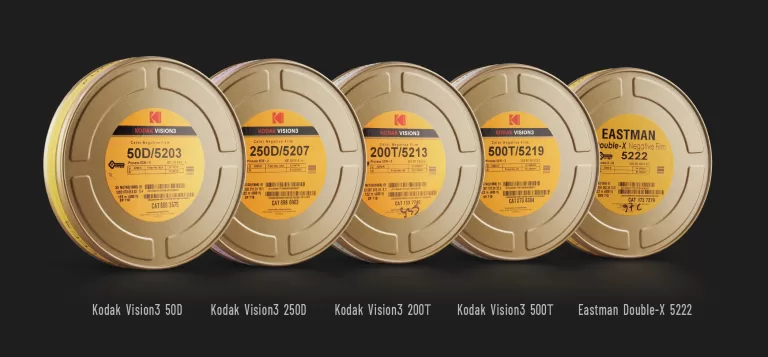
On the fence about Dehancer? This deep dive explains how its end-to-end film pipeline beats alternatives for speed, cohesion, and cross-host consistency. Save 10% with code SLATD.

Curating The Best Cinema Gear
Curating The Best Cinema Gear

On the fence about Dehancer? This deep dive explains how its end-to-end film pipeline beats alternatives for speed, cohesion, and cross-host consistency. Save 10% with code SLATD.
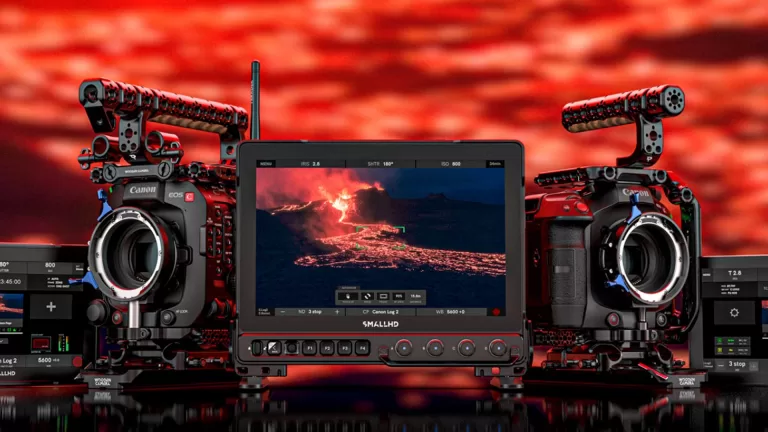
SmallHD has released a paid Canon Camera Control upgrade for many of its monitors, adding deep integration with popular Canon cinema cameras including the C70, C80, C300 Mark III, C400, and C500 Mark II. Once your monitor is running the latest PageOS firmware and properly connected by Ethernet or Wi-Fi, you can adjust exposure, codecs, ND, and trigger record directly from the monitor UI. This post breaks down supported monitors, connection requirements, pricing, and which types of shooters are most likely to benefit from the upgrade.
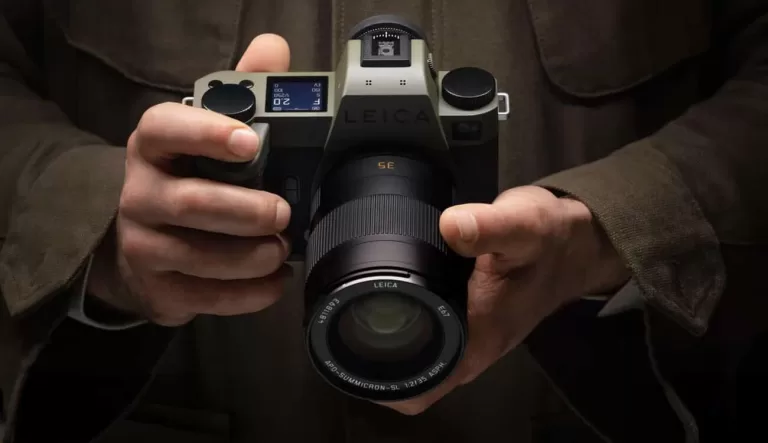
The Leica SL3 is Leica’s flagship 60.3MP full-frame hybrid camera, combining a BSI CMOS sensor with Triple Resolution, a Maestro IV processor and 8GB buffer, 5-axis IBIS, and an IP54-rated body with dual CFexpress/SD card slots. On the video side it delivers 8K and 4K60 10‑bit recording, internal ProRes 422 HQ in 1080p, no fixed clip limit, and a full set of creator-friendly tools like hybrid AF, log profiles, HDMI 2.1, and proper audio I/O — making it a serious stills-and-video workhorse for L-Mount shooters who want Leica color and build quality.
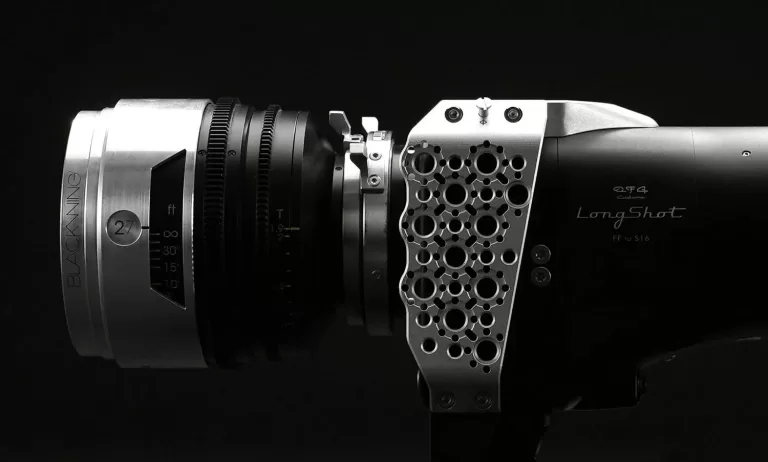
The OFG LONG SHOT, developed by Old Fast Glass and Lens Addictions, is an optical adapter that lets you bring Full Frame, Large Format, and Vista Vision lenses — including 1.5x anamorphics — onto 16mm and Super 16 film while retaining their original field of view, depth of field, and character. Built for serious PL-mount 16mm cameras like the ARRI 416, SR3, and AATON XTR, it adds swappable mounts, on-board power, a full rigging cage, and internal exposure control that doesn’t affect depth of field, effectively reimagining what 16mm can look and feel like on modern sets.
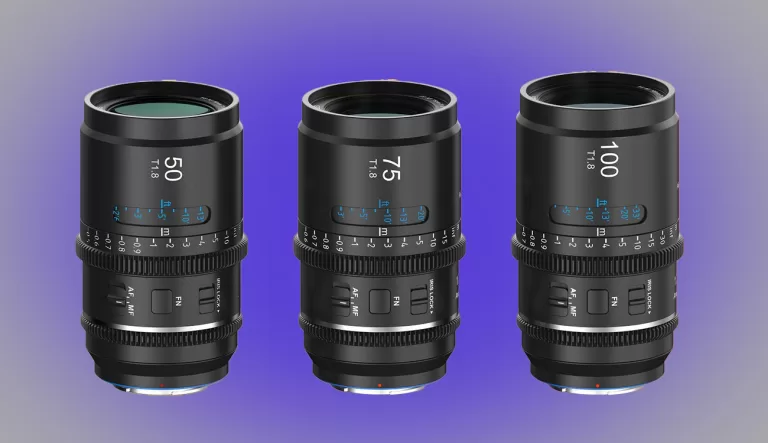
SIRUI’s new Astra Series brings 1.33x full-frame autofocus anamorphic primes to indie shooters: 50mm, 75mm, and 100mm, all at T1.8, all under ~700g, with a shared 67mm front. Building on last year’s S35 AF anamorphic releases, Astra targets filmmakers who want a true anamorphic look, shallow depth of field, and modern autofocus — without the size, weight, and price of traditional cinema anamorphics.
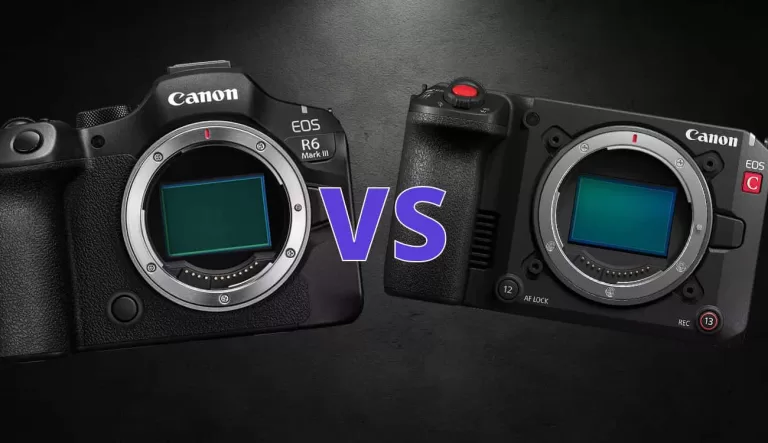
We compare the Canon EOS R6 Mark III and Canon EOS C50 cinema camera on price, image quality, IBIS, dual base ISO, audio, and workflow to help you decide if the C50 is worth about $1,000 more than the R6 Mark III — and which 7K Canon camera makes the most sense for your productions.
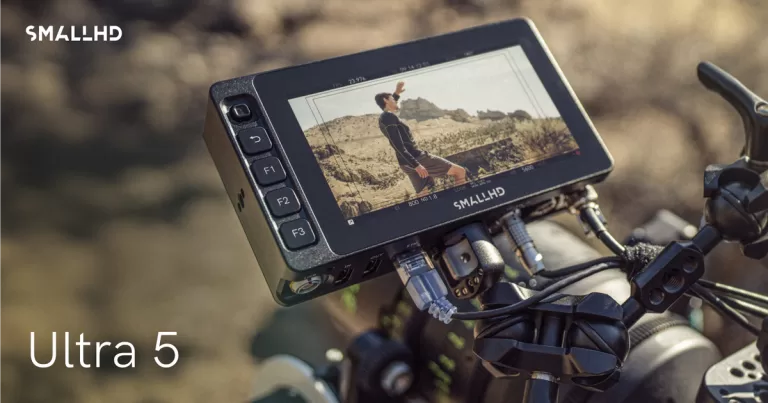
The SmallHD Ultra 5 is one of the brightest, most production-ready 5" monitors you can mount on a cinema rig – and it’s currently on sale for $1,399 at B&H, down from around $2,249. With 3000 nits of brightness, PageOS 5 monitoring tools, HDMI/SDI I/O, and camera-control options for ARRI, RED, and Sony VENICE, this deal moves the Ultra 5 from “aspirational” to “seriously worth considering” for working DPs, ACs, and owner-ops. If you’ve been renting one or eyeing it as a future upgrade, this price point is the nudge to finally add it to your kit.
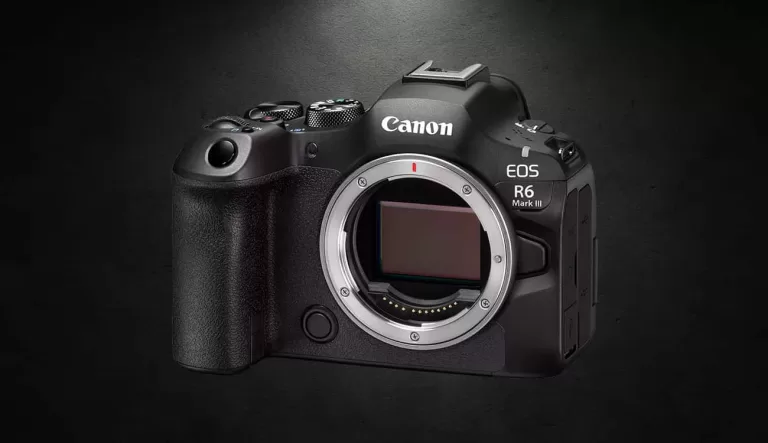
The Canon EOS R6 Mark III takes the R6 line and pushes it firmly into “serious video tool” territory, with 7K internal recording, Canon Log 2, and legit exposure tools like waveform and false color. It’s built for hybrid shooters who live in motion but still need strong stills performance. Most importantly, it can comfortably sit next to a Canon cinema body as a flexible B-cam for gimbal work, crash angles, and open-gate 7K plates you can reframe for any aspect ratio.
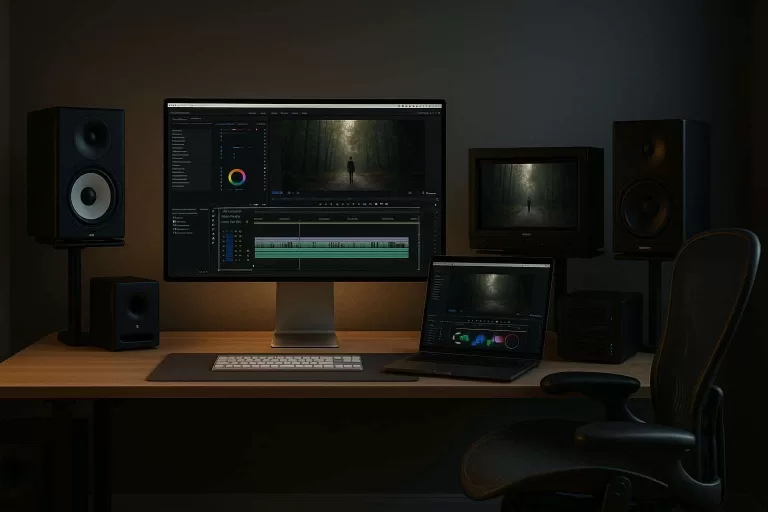
A Slick Home Post-Production Setup for Editing & Color Grading Building a home post-production setup that feels as good as it looks isn’t just about throwing gear on a desk. It’s about designing a space where editing and color grading…
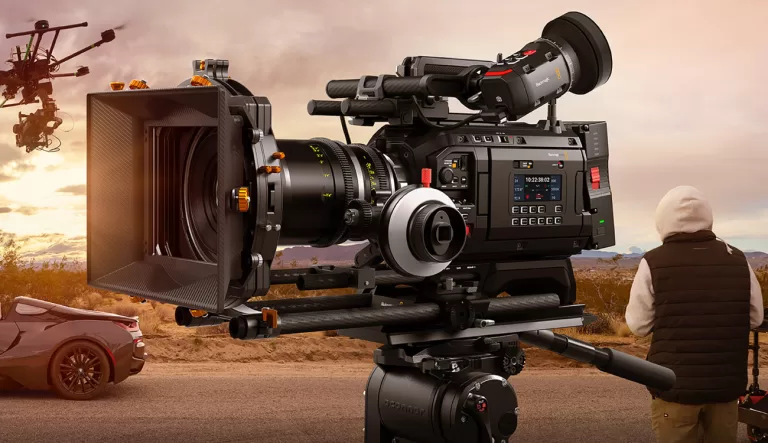
Looking at full‑frame cinema cameras you’ll actually cross‑shop in the $10k–$20k bracket (and a few close neighbors), here’s a clean, lab‑driven ranking by two things that matter most for motion and grading: rolling‑shutter time (ms, lower is better) and dynamic range at SNR=2 (stops, higher is better). Figures come from CineD’s standardized lab tests and reference the specific recording modes used. Below, you’ll find quick leaderboards and per‑camera notes, plus buy buttons (B&H + Amazon) for each body.
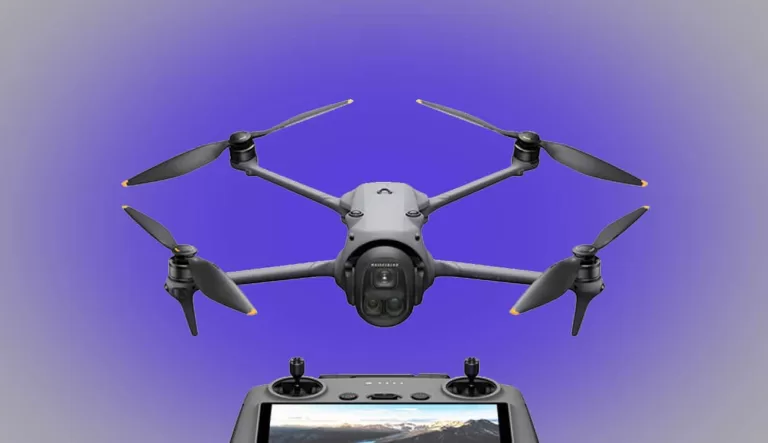
DJI’s Mavic 4 Pro packs a 100MP 4/3 Hasselblad main camera, dual tele modules, a 360° ‘Infinity’ gimbal, 6K/60 HDR capture, 51‑minute flight time, and upgraded low‑light obstacle sensing—but US availability has been unusual. Here’s what filmmakers need to know about specs, purchasing in the States, and how to kit it for paid work.
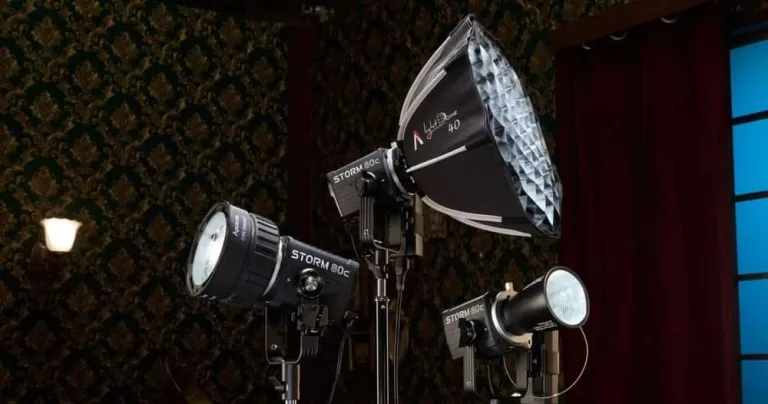
Aputure’s STORM 80c 3-Light Travel Kit is a compact, studio-grade package built around three IP65, color-accurate mini point sources that punch far above their size. With fast rigging, Sidus/CRMX/DMX control, Bowens compatibility via adapter, and a smart mix of shaping (Fresnels + barn doors) and soft modifiers, this kit can build interview keys, controllable beams, accents, and wrap—all from a single rolling case. For doc/interview crews, travel jobs, product work, and corporate run-and-gun, it’s a “carry fewer cases, do more looks” solution.