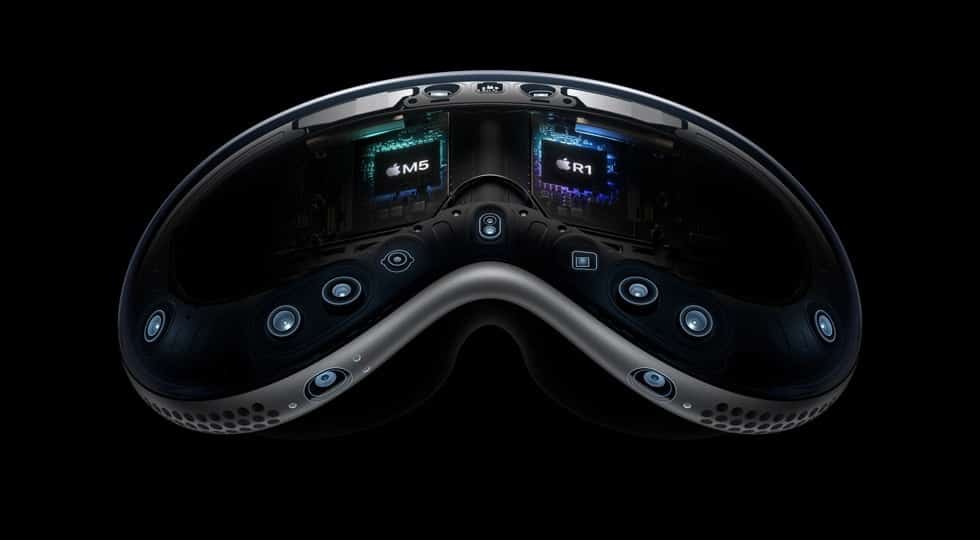
Short take: Apple’s latest Vision Pro revision swaps in the new M5 chip, pairs it with a redesigned Dual Knit Band, and ships alongside visionOS 26. The result is smoother rendering, faster on‑device AI features, and better comfort during long sessions—while Apple continues to hint at a future that includes lighter smart glasses built on the same software foundation.
What’s New (and Why It Matters)
M5 makes spatial feel snappier
The upgraded silicon targets three things you’ll notice in‑headset: frame pacing, AI responsiveness, and memory bandwidth. Expect faster scene loads, more immediate eye/hand interactions, steadier text and UI at high pixel densities, and overall less “VR fatigue” in longer sessions. In some modes, Vision Pro supports high refresh (up to 120 Hz) and renders more pixels per eye, which further reduces motion judder and blur.
visionOS 26 doubles down on spatial + AI
- Anchored widgets you can position in your physical space
- More expressive Personas and faster Apple Intelligence tools
- Expanded 180°/360° playback support for immersive video
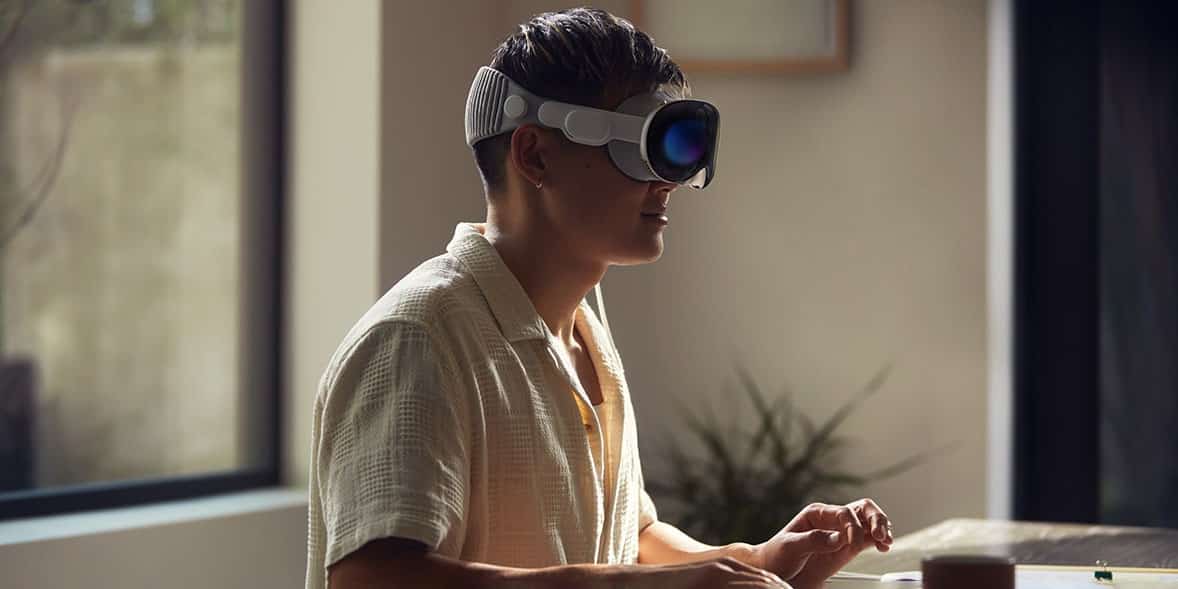
What This Could Mean for Filmmakers
1) Spatial dailies & immersive reviews become practical — Smoother rendering and higher neural throughput turn Vision Pro from showpiece to tool. Screening 180°/360° or stereo plates at high fidelity—without judder—helps Directors/DPs make better calls on blocking, lensing, and VFX continuity before the next setup.
2) Faster previs and virtual blocking — Stand inside virtual sets, walk blocking in true scale, and export decisions to camera, art, and stunts. That tighter loop can reduce reshoots and compress pre‑production schedules.
3) On‑set collaboration & continuity — Anchored widgets let Script Supers, DITs, and VFX Sups pin continuity notes, lens charts, LUT references, and lighting diagrams in the same physical space they review a take.
Price & Availability
- Price: $3,499 (US) for 256 GB, 512 GB, or 1 TB configurations.
- Ship date: October 22, 2025 in select regions.
- Accessories: Dual Knit Band ($99), Travel Case, ZEISS inserts, third‑party input devices.
Quick Pros & Cons
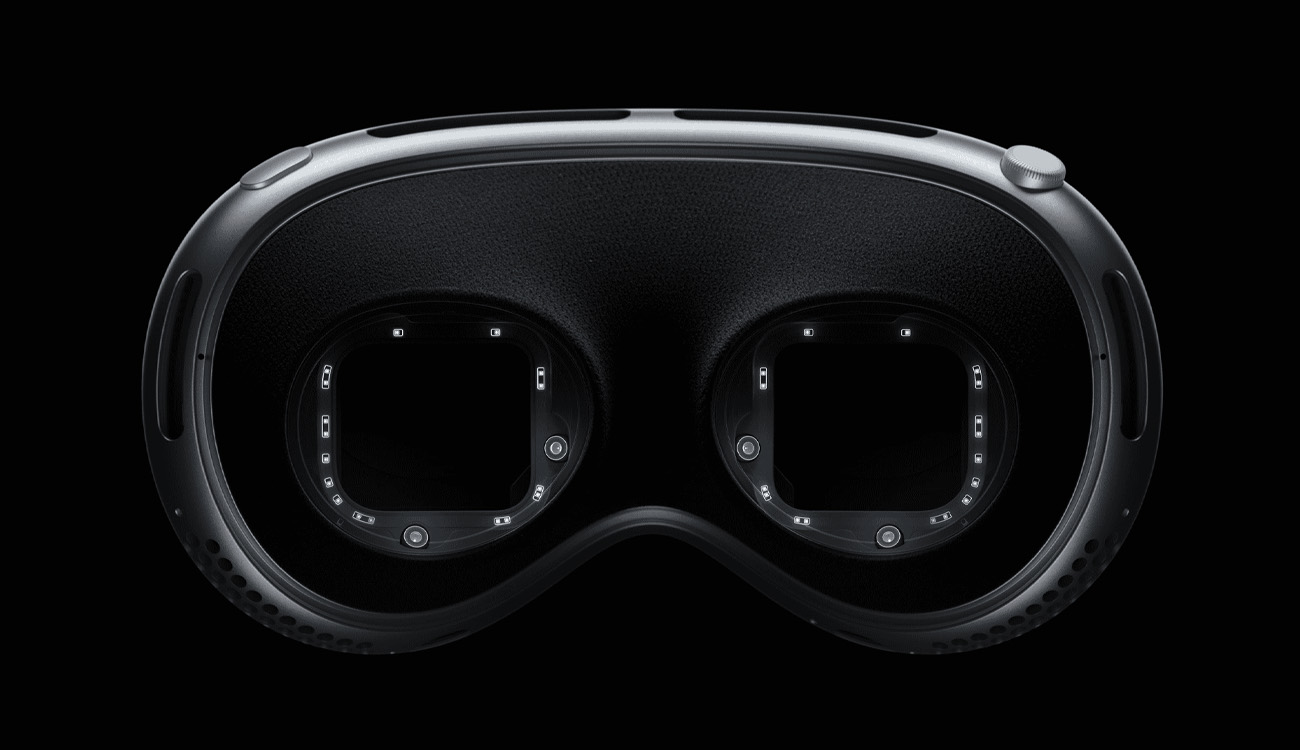
- Pros: Smoother UI/rendering (high‑refresh modes), stronger on‑device AI, better long‑session comfort, visionOS 26 quality‑of‑life upgrades.
- Cons: Premium pricing; spatial editorial/VFX toolchains still maturing; not a calibrated HDR reference monitor replacement.
At‑a‑Glance Highlights
| Area | What’s new / notable |
|---|---|
| Chip | M5 platform; faster CPU/GPU + Neural Engine throughput |
| Display smoothness | High refresh (up to 120 Hz in supported modes); steadier head‑tracked text/UI |
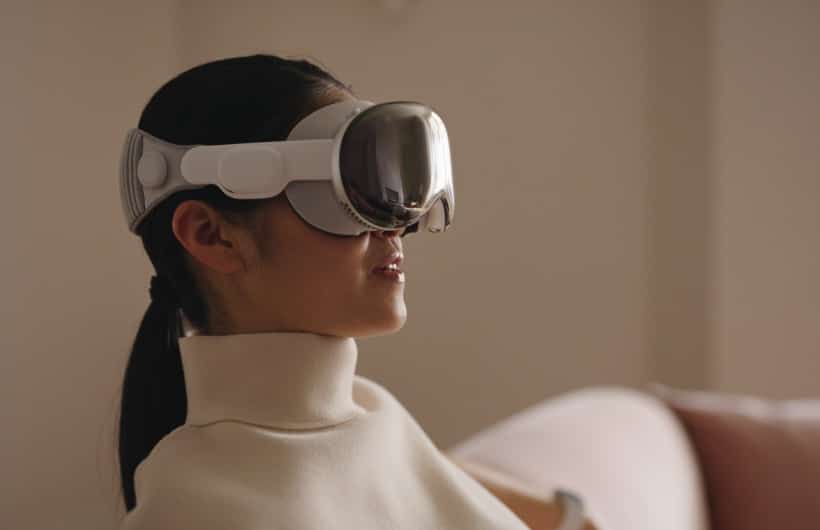
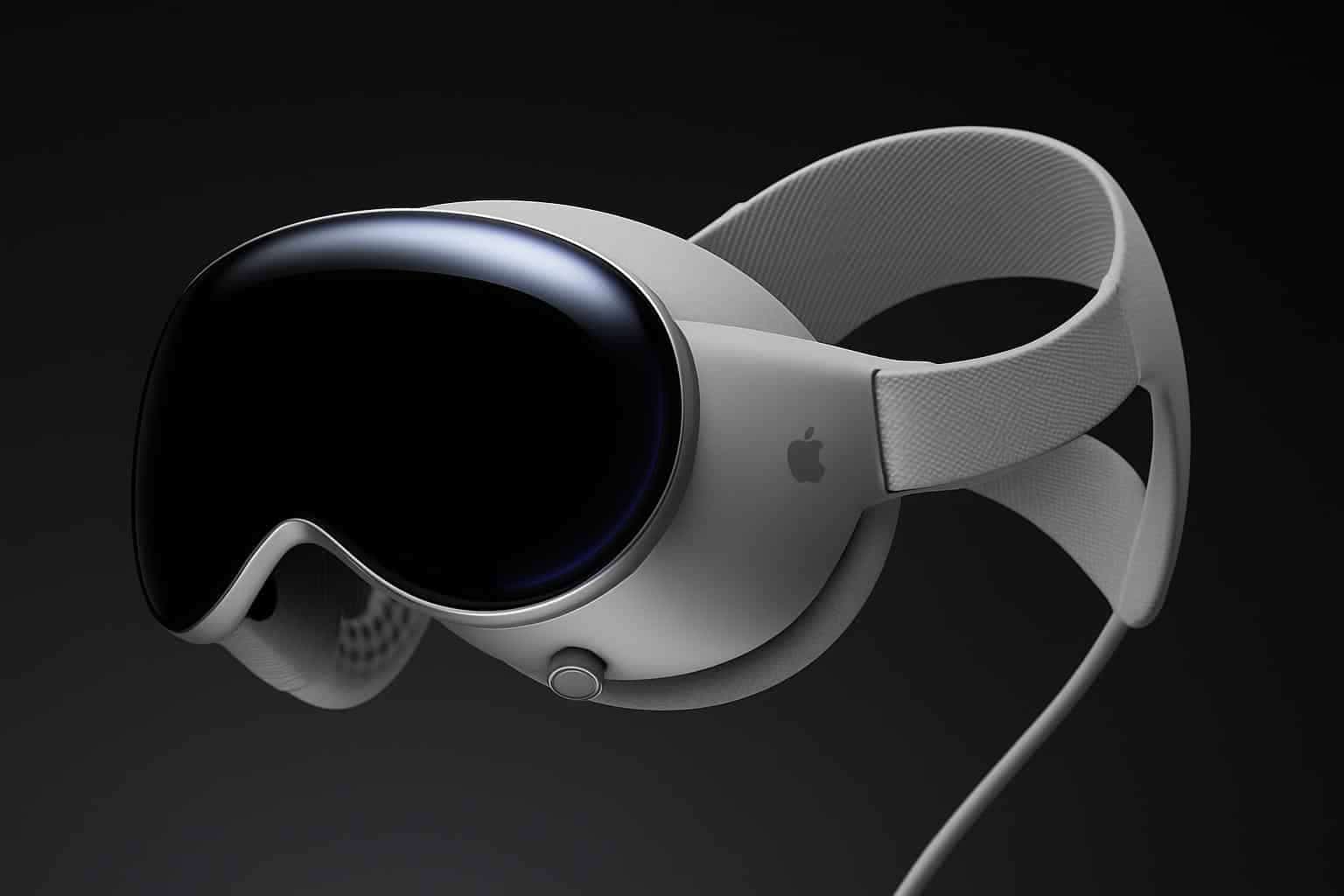
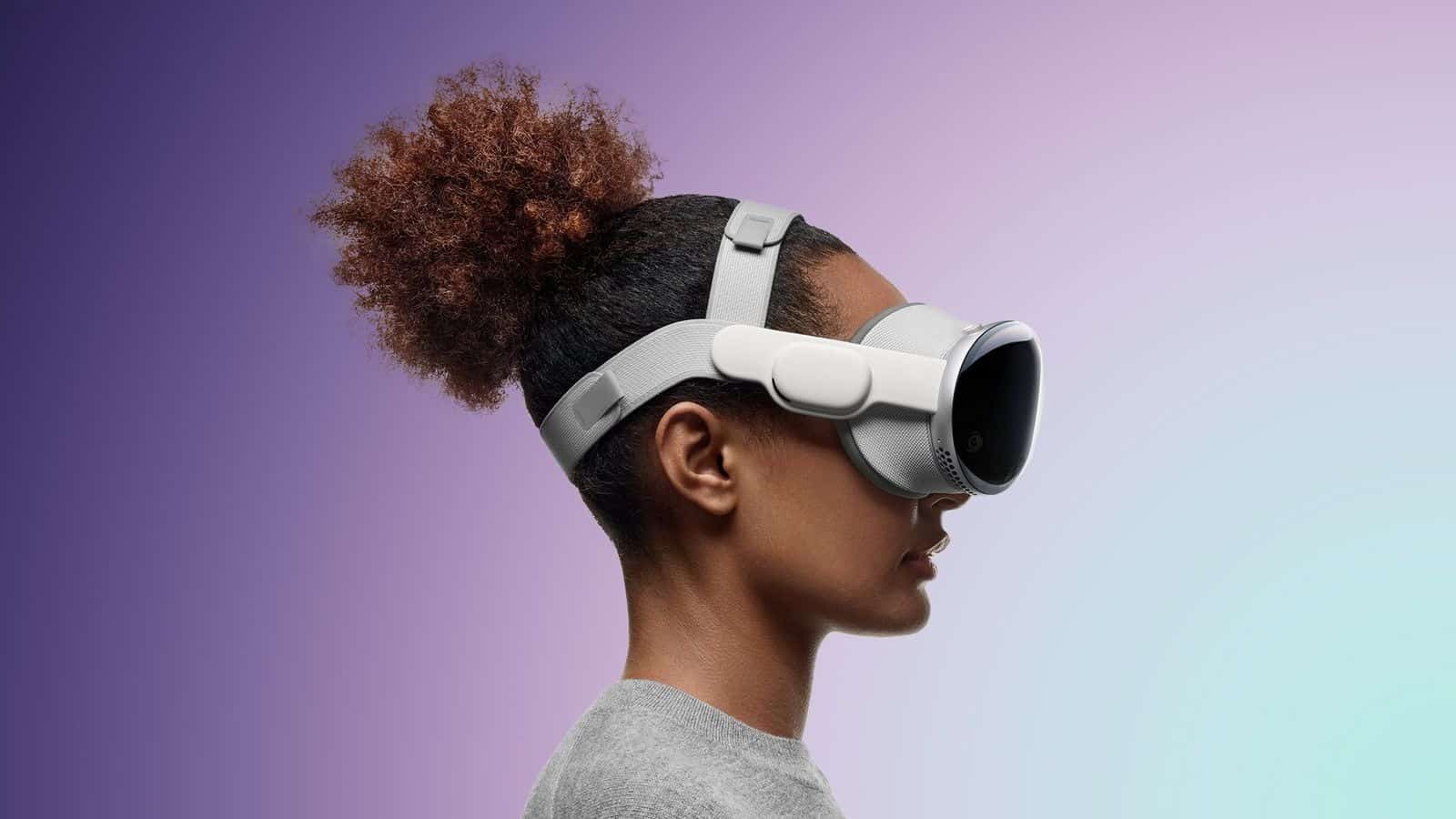
| Comfort | Dual Knit Band; better weight distribution; dial‑to‑fit |
| OS | visionOS 26: anchored widgets, Persona updates, faster Apple Intelligence |
| Immersive video | Expanded 180°/360° playback support; reference viewer for spatial content |
Bottom Line
The Vision Pro (M5) is a meaningful refinement: faster spatial, more comfortable sessions, and a clearer bridge between today’s immersive experiences and the lighter wearables Apple is likely steering toward. For filmmakers and creative teams, it’s now a more credible device for previs, on‑set reviews, and spatial deliverables—with room for pipelines and standards to keep maturing.
Join the Conversation
Would your team use Vision Pro for immersive dailies or client pitches? Where would a spatial workflow save the most time on your next production?